

Need name badges? Visit Snapbadges
Resident Identification Bracelets for Long-Term Care Homes in Canada
Dale Barber • March 7, 2026
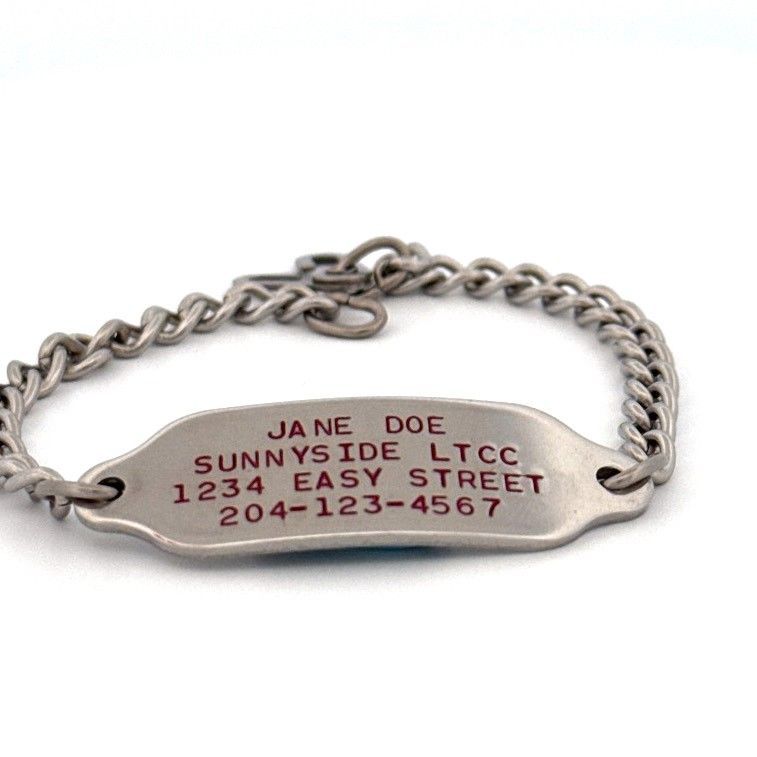
Do long-term care facilities in Canada require resident identification?
Yes. Long-term care homes across Canada rely on resident identification bracelets to accurately identify residents before providing care or administering medication. Provincial healthcare regulations, accreditation standards, and patient safety policies require staff to verify a resident’s identity using reliable identification methods such as name verification, medical records, or identification bracelets.
While regulations vary between provinces, accurate patient identification is widely recognized as a critical safety requirement in healthcare environments.
Why Resident Identification Is Important in Long-Term Care
Long-term care residents often require ongoing medical care, medication management, and specialized support. Accurate identification procedures help ensure that staff provide care to the correct resident at all times.
Proper resident identification helps prevent errors related to:
• Medication administration
• Allergies or medical conditions
• Dietary restrictions
• Care plans and treatment instructions
• Emergency response situations
Healthcare best practices commonly require staff to verify a resident’s identity using two identifiers before providing care.
Patient Identification Standards in Canadian Healthcare
Across Canada, patient identification procedures are supported by healthcare safety standards and accreditation guidelines. These standards emphasize the importance of verifying patient identity before treatments, medication administration, or other medical services.
Common patient identifiers used in healthcare settings include:
• Resident name
• Date of birth
• Medical record number
• Facility identification number
• Recognition by staff familiar with the resident
Long-term care facilities implement identification systems to support these verification procedures and reduce the risk of misidentification.
Provincial Responsibility for Long-Term Care Regulation
Healthcare and long-term care services in Canada are primarily regulated at the provincial and territorial level. Each province establishes licensing requirements, operational standards, and safety procedures for long-term care homes.
Although specific regulations differ between provinces, resident identification procedures are a common requirement supported by healthcare safety standards.
Many long-term care homes also follow guidance from national healthcare organizations such as:
• Accreditation Canada
• Health Standards Organization (HSO)
• Provincial health authorities
These organizations promote patient safety practices that include clear and consistent identification procedures.
How Identification Bracelets Support Resident Safety
Many long-term care facilities use identification bracelets to help staff quickly confirm resident identity and important medical information.
Identification bracelets can display information such as:
• Resident name
• Medical conditions
• Allergies
• Medication alerts
• Facility-specific identifiers
These bracelets provide a simple and visible method for staff to confirm identity during daily care activities.
Identification Options Used in Long-Term Care Facilities
Facilities often choose identification solutions that are durable, easy to read, and comfortable for residents.
Stainless Steel Resident ID Bracelets
Stainless steel bracelets provide durable, long-term identification with permanently engraved information. They are commonly used for residents who require continuous identification.
Vinyl Medical ID Bracelets for Sensitive Skin
For residents with sensitive or fragile skin, many facilities use vinyl medical ID bracelets. These bracelets are lightweight, flexible, and designed for comfortable long-term wear.
Vinyl bracelets can provide clear identification while minimizing irritation for residents who cannot comfortably wear metal bracelets.
Colour Indicator Discs
Some long-term care homes attach coloured indicator discs to resident bracelets to quickly communicate important care information.
These colour indicators may be used to identify:
• Fall risk precautions
• Allergies
• Special diet requirements
• Do Not Resuscitate (DNR) status
• Other facility-specific alerts
Each facility typically defines its own colour coding system based on internal care procedures.
Supporting Safe and Consistent Resident Identification
Effective resident identification systems help long-term care facilities maintain patient safety, reduce errors, and improve communication between care staff.
By combining clear identification policies with reliable identification products, facilities can ensure that resident information remains visible and consistent throughout the care environment.
Long-Term Care Identification Products
Browels ID Solutions manufactures identification products used by long-term care facilities across Canada, including:
• Stainless steel resident ID bracelets
• Vinyl medical ID bracelets for sensitive skin
• Colour indicator systems for care alerts
To learn more about identification options for long-term care facilities, visit our Long-Term Care Identification Products page.
Additional Questions About Resident Identification
Are identification bracelets required in long-term care homes?
While regulations vary by province and facility, many long-term care homes use identification bracelets to help staff confirm resident identity quickly and support safe care procedures.
What identifiers are used to verify a patient’s identity?
Healthcare providers commonly verify identity using two identifiers such as the resident’s name, date of birth, or medical record number.
Why are identification bracelets used in long-term care facilities?
Identification bracelets provide a visible way for staff to confirm resident identity and important care information, helping reduce the risk of medication errors and other safety issues.
Do long-term care residents have to wear identification bracelets?
Facilities may require identification bracelets depending on their internal safety policies and care procedures. Many homes use bracelets to support patient identification protocols.


Browels supplies wholesale laser engraved stainless steel pet tags to pet stores and vet clinics across Canada. One display, one order book, we handle the rest.
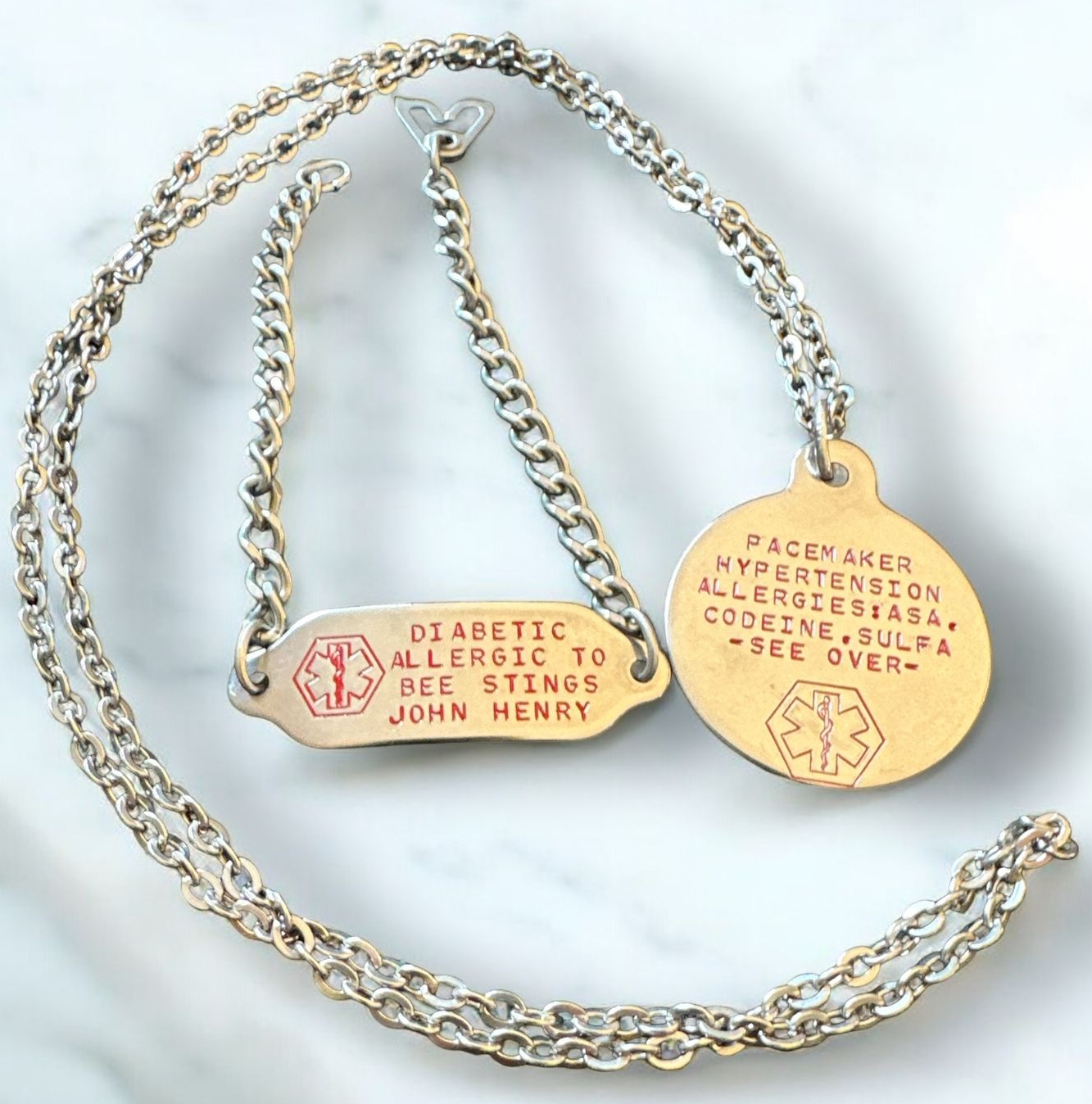
Living with asthma? A medical ID bracelet or necklace ensures first responders have critical information when it matters most. Browels stainless steel and silicone bracelets available at pharmacies across Canada.
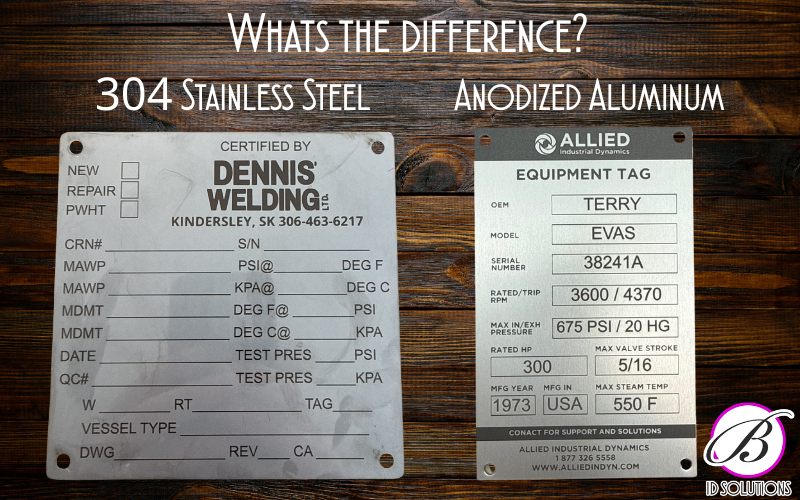
Choosing between stainless steel and aluminum data plates for your equipment? This practical guide covers durability, cost, and common applications for Canadian manufacturers.
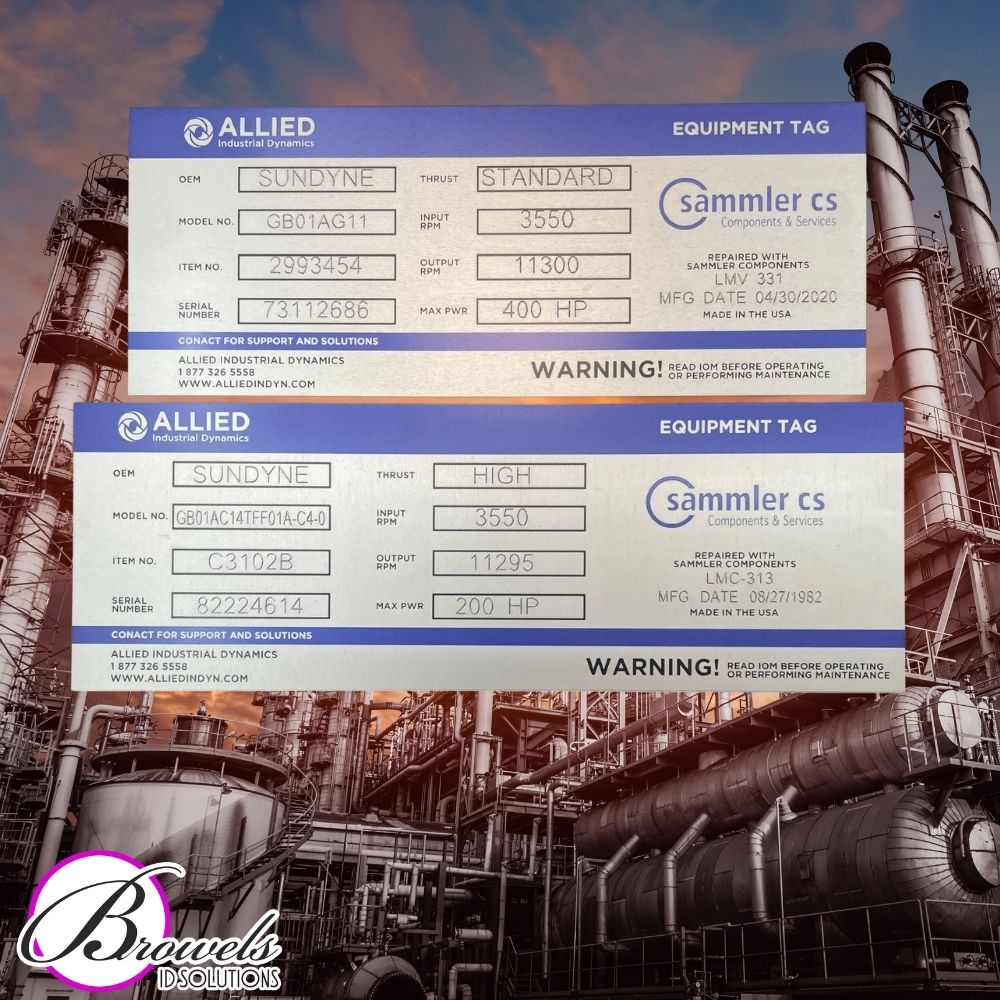
"High-Quality Custom Data Plates for Industrial Equipment – Available in Anodized Aluminum, Stainless Steel, or Brass"
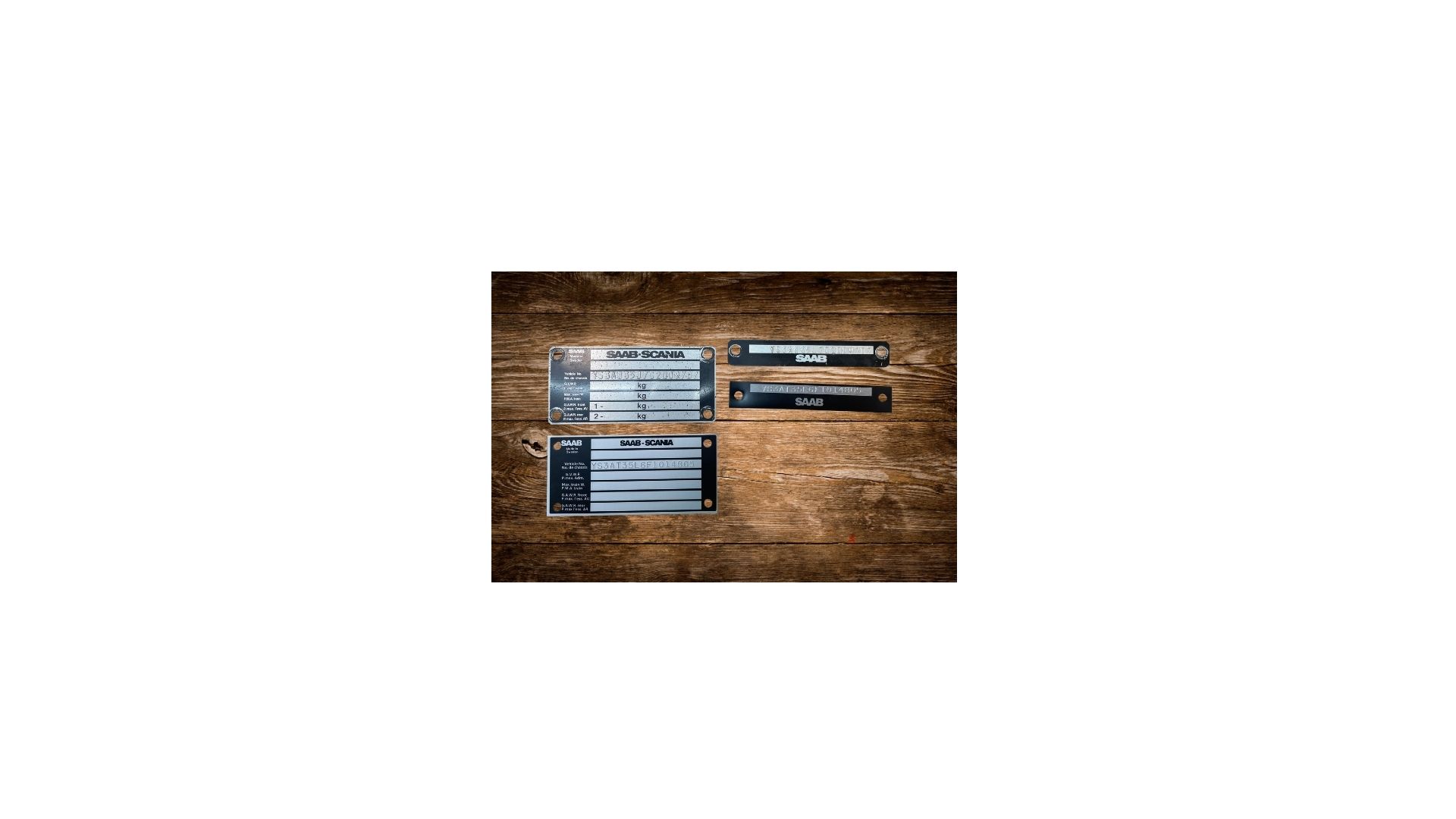
"Recreating VIN Plates for Vintage Vehicles with Precision and Durability"


We are thrilled to share some incredible news with you today, we are the proud new owners of Browels ID Solutions!
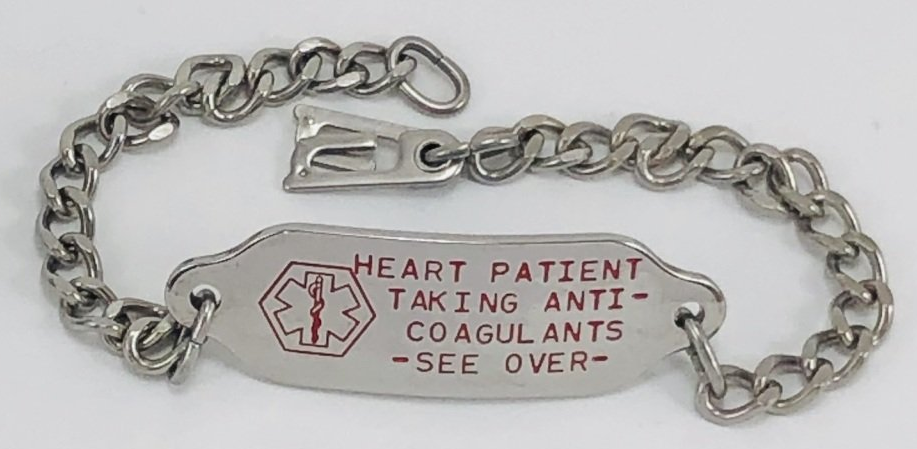
Browels ID Solutions is helping front line workers by providing quality Medical ID Bracelets that help staff Identify medical conditions during COVID 19.
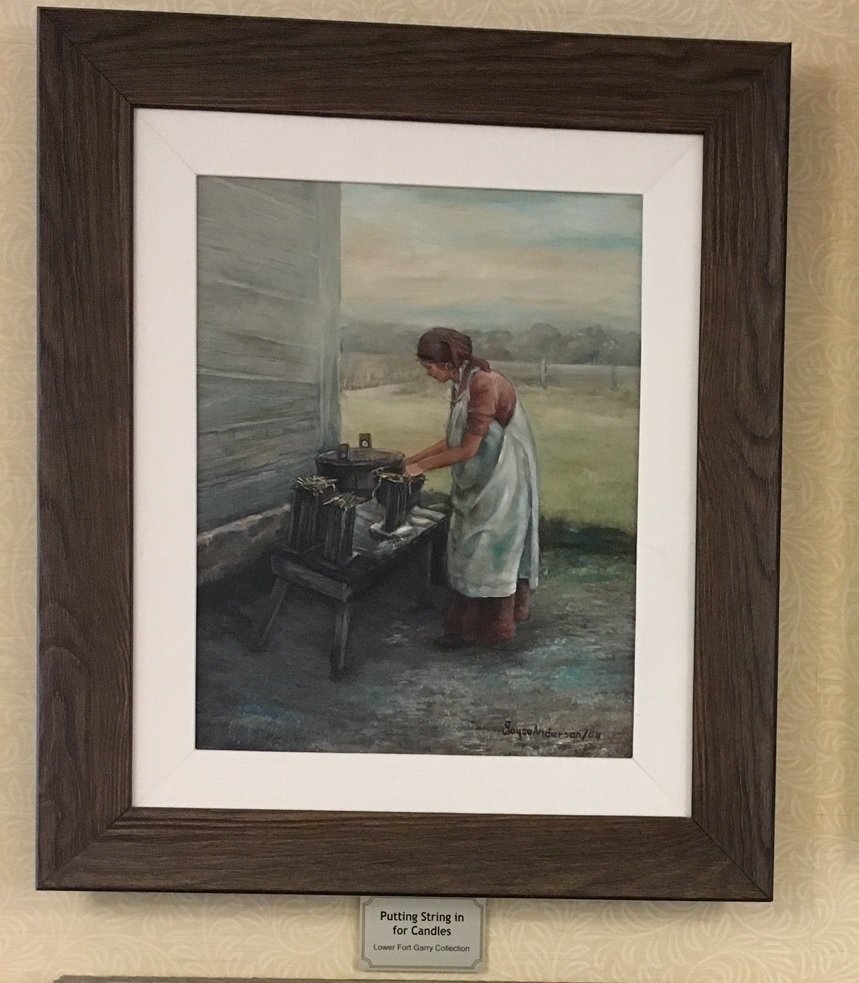
The nameplates, which include the name of the painting and collection, were printed to be more elegant and easy-to-read for residents who enjoyed viewing the various paintings.